The Future of School Management Software in India's Education Sector
Why School Management Software Is Becoming Essential in India
India’s education system is going through rapid changes. Schools today are not only handling a higher number of students but also managing large amounts of academic, administrative, and compliance-related data. Manual systems that once worked are now slow, error-prone, and difficult to scale. This is why school management software has become an essential part of modern Indian schools.
Increasing Teacher Workload
Teachers today are expected to manage far more responsibilities beyond classroom teaching. Attendance marking, exam preparation, report cards, student records, internal assessments, and parent coordination consume a significant portion of their working hours.
When these tasks are handled manually, teachers lose valuable time that should be spent on lesson planning and student support. School management software automates routine administrative work, reduces paperwork, and helps teachers focus on improving learning outcomes instead of managing files and registers.
Rising Expectations from Parents
Parents have become more involved and informed about their child’s education. They expect regular updates on attendance, academic performance, homework, fee status, and school activities.
Without a digital system, schools struggle to provide timely and consistent communication. School management software enables real-time updates through secure platforms, ensuring transparency and building stronger trust between schools and parents.
Growing Compliance and Documentation Requirements
Schools in India must follow guidelines set by education boards and regulatory authorities. This includes maintaining accurate records of attendance, examinations, finances, and student history.
Manual documentation increases the risk of data loss, errors, and delays during audits or inspections. School management software organizes all records in a structured digital format, making compliance management, reporting, and data retrieval faster and more reliable.
Overall, school management software has become essential to reduce administrative pressure, improve communication, and ensure smooth and compliant school operations.
Core Features Schools Will Expect in Future-Ready Software
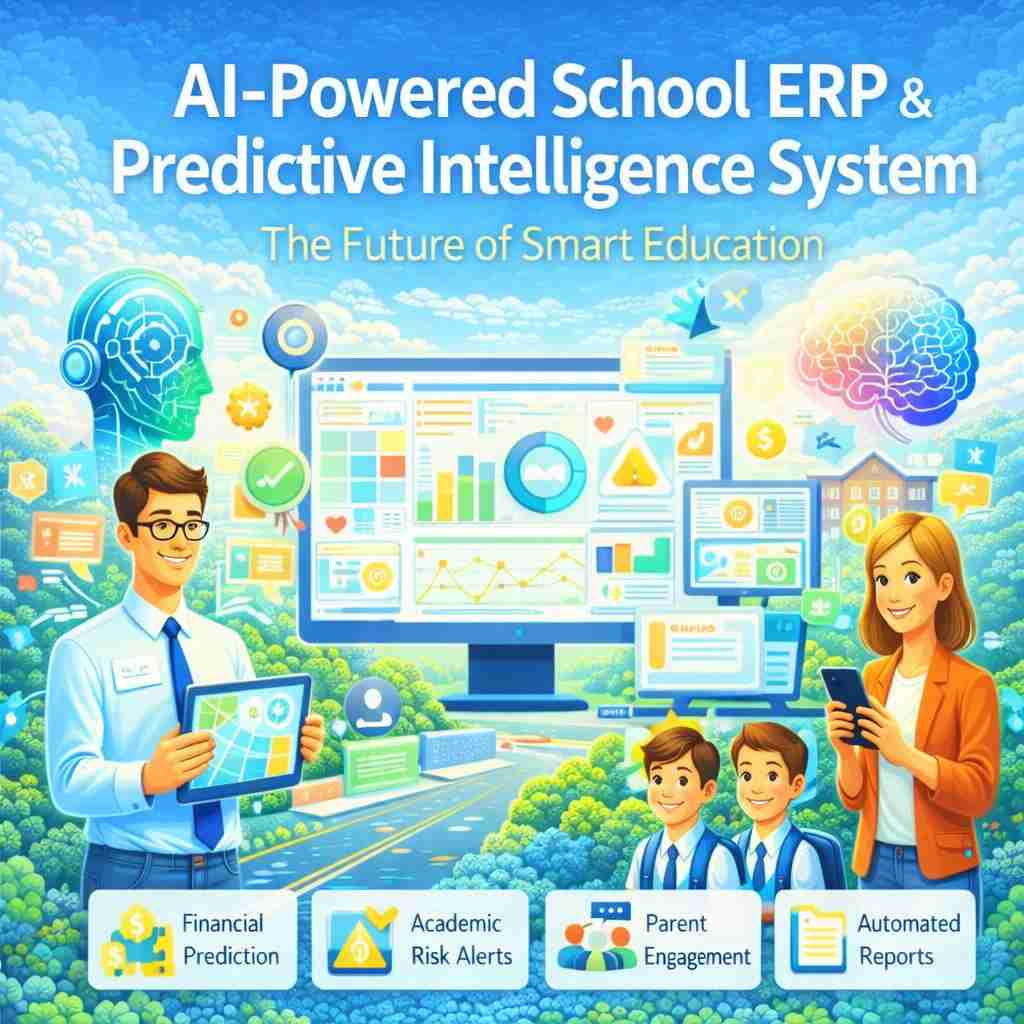
Future-ready school management software focuses on solving everyday operational challenges. Schools prefer practical features that improve efficiency, accuracy, and communication rather than complex tools that are rarely used.
- Student Information Management – Maintains complete student profiles including admission details, personal information, academic history, and documents in one secure place, accessible to authorized staff anytime.
- Fee & Finance Automation – Simplifies fee collection by automating invoices, payment tracking, receipts, and basic financial reports, reducing errors and improving transparency.
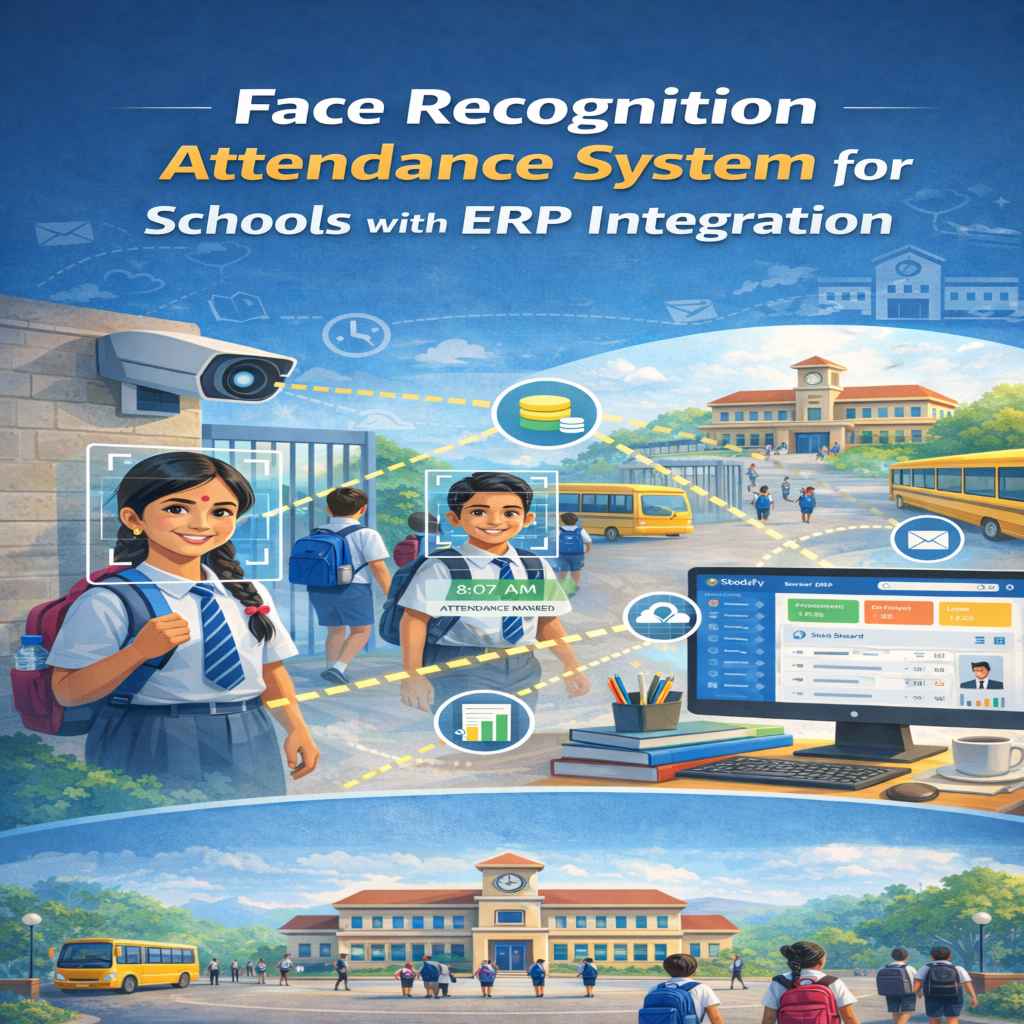
- Attendance & Timetable Automation – Enables quick attendance marking and structured timetable creation, ensuring smooth daily academic operations.
- Parent-Teacher Communication – Provides a reliable communication channel for sharing notices, attendance alerts, academic updates, and important school information.
- Academic Records & Reports – Stores report cards, exam results, and performance summaries digitally, helping teachers and administrators track student progress easily.
- Exam, Admit Card & Certificate Management – Automates exam schedules, admit cards, and certificate generation, reducing manual effort and errors.
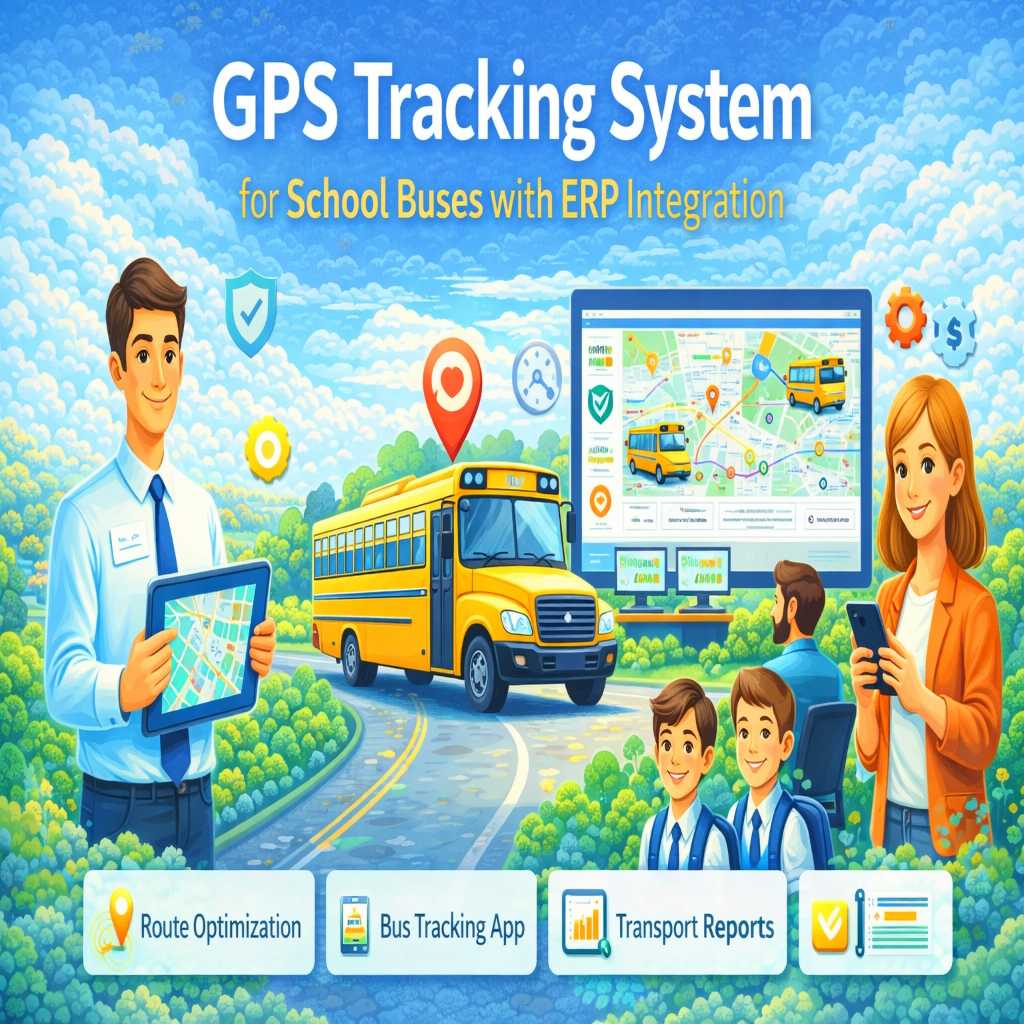
- Transport & Student Safety Tracking – Helps schools manage transport details and basic safety records to ensure student security.
- Secure Cloud Access – Allows staff and administrators to access data securely from anywhere while maintaining data protection and backups.
Benefits for Indian Schools
For principals, directors, and school management teams, school management software is not just a technical upgrade. It directly improves daily operations, planning, and overall school performance.
- Reduced Administrative Costs – Automation reduces paperwork, manual registers, and repetitive data entry. This lowers operational expenses and minimizes the need for additional administrative staff.
- Faster and Better Decision-Making – With real-time access to student performance, attendance trends, and financial data, school leaders can take quick and well-informed decisions without waiting for manual reports.
- Improved Parent Satisfaction and Trust – Regular updates on attendance, exams, fees, and school activities improve transparency. When parents stay informed, trust in the school increases naturally.
- Higher Teacher Productivity – By reducing administrative workload, teachers get more time for lesson planning, student interaction, and academic improvement, leading to better learning outcomes.
- Compliance Readiness – Digitally maintained records make it easier to meet board guidelines, inspections, audits, and documentation requirements without last-minute pressure.
- Data Accuracy and Reliability – Centralized data reduces duplication and human errors, ensuring that academic and financial records remain accurate and up to date.
- Improved Operational Transparency – Management can track daily activities, academic progress, and administrative processes clearly, ensuring accountability at every level.
- Long-Term Scalability – A structured digital system allows schools to grow in student strength or academic offerings without disrupting existing processes.
- Centralized Data Management – All student, staff, academic, and financial data is stored in one system, making access faster and reducing dependency on multiple registers or files.
- Time Savings Across Departments – Automation reduces time spent on routine tasks like attendance, report generation, and fee tracking, allowing staff to focus on more important work.
- Improved Student Performance Tracking – Schools can monitor academic progress more closely and identify students who need additional academic support.
- Better Coordination Between Staff – Teachers, administrators, and office staff work on the same platform, reducing communication gaps and confusion.
- Faster Report Generation – Academic, attendance, and financial reports can be generated instantly without manual calculations.
- Reduced Human Errors – Automated processes minimize mistakes that commonly occur in manual data entry and calculations.
- Improved School Reputation – Digitally managed schools are often perceived as more professional, organized, and trustworthy by parents.
- Easy Access to Historical Records – Past academic and administrative records can be retrieved anytime without searching through old files.
- Improved Fee Collection Efficiency – Automated reminders and digital records reduce delayed payments and fee-related disputes.
- Consistent Academic Processes – Standardized workflows ensure uniform academic and administrative practices across the school.
- Enhanced Student Safety Monitoring – Digital attendance and transport records help schools track student movement more accurately.
- Reduced Paper Usage – Digital documentation significantly cuts down paper consumption, supporting eco-friendly school operations.
- Better Planning for Academic Sessions – Access to previous year data helps schools plan timetables, exams, and academic calendars more effectively.
- Faster Response to Parent Queries – Staff can quickly access student information, enabling faster and more accurate responses.
- Improved Accountability – Clear digital logs make it easier to track responsibilities and actions taken by staff members.
- Reduced Dependency on Manual Registers – Eliminates the risk of lost, damaged, or incomplete physical records.
- Better Resource Utilization – Schools can manage classrooms, teachers, and schedules more efficiently using digital data.
- Stronger Internal Control – Management gains better control over daily operations with structured data visibility.
- Improved Staff Satisfaction – Simplified workflows reduce work pressure on teachers and administrative staff.
- Future-Ready Digital Infrastructure – A strong digital foundation prepares schools for future technology adoption without major disruption.
Real-World Use Case
Consider a mid-size CBSE school in India with around 1,200 students.
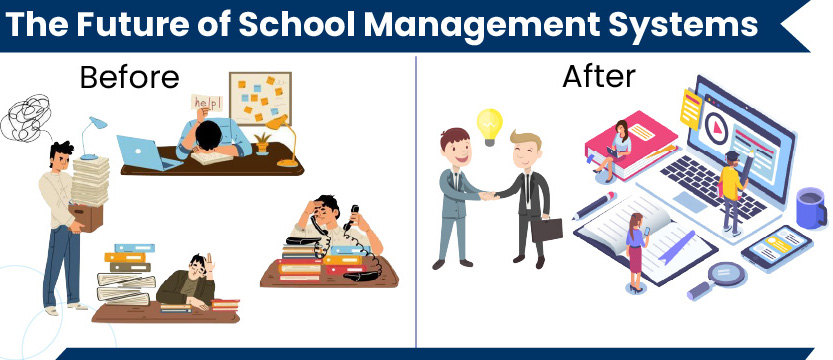
Before adopting school management software, the school relied on paper registers for attendance, manual fee tracking, and phone calls for parent communication. Teachers spent several hours each week handling administrative tasks, and fee reconciliation often caused delays.
After implementing a structured school management system, attendance, fees, report cards, and communication were digitized. Teachers saved time, parents received regular updates, and the administration gained better control over daily operations.
This change resulted in improved efficiency, fewer errors, and a more organized academic environment without increasing staff workload.
How to Choose the Right School Management Software in India
Selecting the right software is critical for long-term success. Schools should evaluate solutions based on practical and regulatory needs.
- Board Compatibility – Ensure the software supports CBSE, ICSE, or State Board academic structures.
- Local Support Availability – Reliable customer support within India is essential for quick issue resolution.
- Data Hosting & Security – Check where data is hosted and whether proper security and backup practices are followed.
- Pricing Transparency – Clear pricing without hidden charges helps schools plan budgets effectively.
- User-Friendly Interface – The software should be easy to use for teachers, administrative staff, and management without requiring extensive training.
- Customization Options – Schools should be able to customize modules, reports, and workflows according to their academic and administrative processes.
- Scalability – The system should be capable of handling future increases in student strength and data volume without performance issues.
- Mobile Accessibility – A mobile-friendly platform allows teachers and parents to access important information anytime, anywhere.
- Data Backup and Recovery – Regular automated backups ensure data safety in case of technical failures or accidental data loss.
- Compliance with Indian Regulations – The software should follow local data protection norms and education board requirements.
- Integration Capabilities – It should integrate smoothly with accounting tools, communication platforms, or learning systems already in use.
- Implementation and Onboarding Support – Proper setup, training, and initial support are crucial for smooth adoption.
- Vendor Experience in the Education Sector – Choosing a provider with experience in Indian schools reduces implementation risks.
- Clear Upgrade and Maintenance Policy – Schools should understand how updates, improvements, and maintenance are handled over time.
- Performance and Speed – The system should work smoothly even during peak usage times such as exams or result declaration periods.
- Role-Based Access Control – Different access levels for teachers, administrators, and management help maintain data security.
- Training Resources and Documentation – Availability of user guides, tutorials, and support material helps staff adapt quickly.
- Trial or Demo Availability – A live demo or trial period allows schools to evaluate the software before making a final decision.
- Long-Term Cost Effectiveness – Beyond initial pricing, schools should consider maintenance costs, support charges, and scalability expenses.
Frequently Asked Questions
Is school management software mandatory in India?
No, it is not legally mandatory. However, many schools adopt it to improve efficiency, transparency, and compliance.
Is cloud-based school software safe for student data?
Yes, when proper security measures like encryption, access control, and backups are in place.
What is the cost range of school management software in India?
Costs vary based on features and student strength, typically ranging from affordable annual plans to customized pricing for larger schools.
What is the difference between School ERP and SIS?
A School ERP covers administrative, financial, and operational processes, while an SIS mainly focuses on student data and academics.
Can small schools also use school management software?
Yes, many solutions are designed to work effectively for small and mid-sized schools.
How long does it take to implement school management software?
Implementation time depends on the size of the school and selected modules. In most cases, basic setup and training can be completed within a few weeks.
Do teachers and staff require technical training to use the software?
No advanced technical knowledge is required. Most school management systems are designed to be user-friendly and include basic training or documentation.
Can parents access the system from their mobile phones?
Yes, most school management software solutions provide mobile-friendly access or dedicated apps for parents.
Does school management software support online fee payments?
Many systems support online fee payment options, making fee collection easier and more transparent for both schools and parents.
How secure is student and school data?
Good school management software uses encryption, access control, and regular backups to protect sensitive data.
Can the software be customized as per school requirements?
Yes, most solutions allow customization of reports, workflows, and modules based on school needs.
Is technical support available after implementation?
Reliable providers offer ongoing technical support, updates, and maintenance to ensure smooth long-term usage.
Is the software suitable for both academic and administrative work?
Yes, modern school management systems are designed to handle academics, administration, communication, and finance together.
Can reports be downloaded or printed?
Yes, most systems allow reports such as attendance, fees, and academic performance to be downloaded or printed when required.
Is school management software useful for government or aided schools?
Yes, many solutions are suitable for government, aided, and private schools, depending on compliance and budget needs.
How often is the software updated?
Reputable providers release regular updates to improve performance, security, and add necessary enhancements.